Books Like Gone Girl
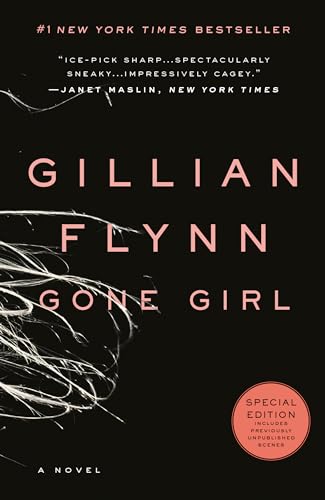
Gone Girl left you trusting no one? Good — that's the right mindset for these twisty psychological thrillers. Jim's picked the books with the most jaw-dropping unreliable narrators and plot twists.
Jim's Picks
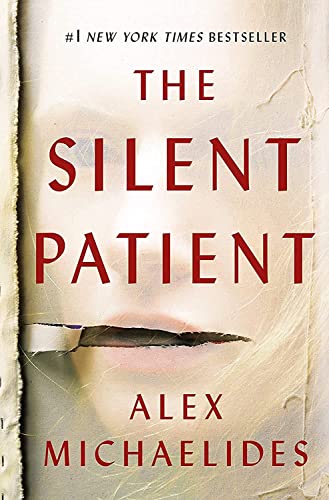
The Silent Patient
by Alex Michaelides
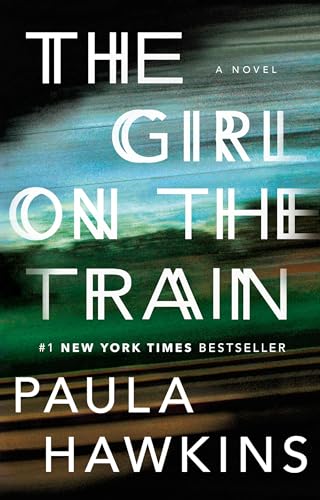
The Girl on the Train
by Paula Hawkins
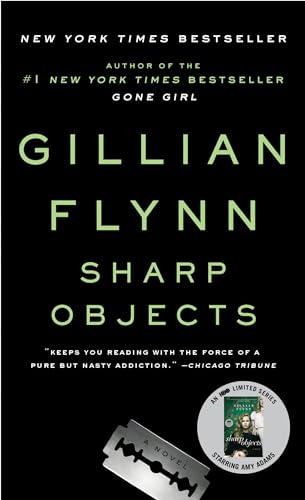
Sharp Objects
by Gillian Flynn
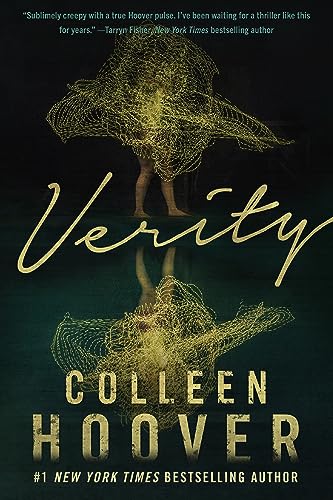
Verity
by Colleen Hoover
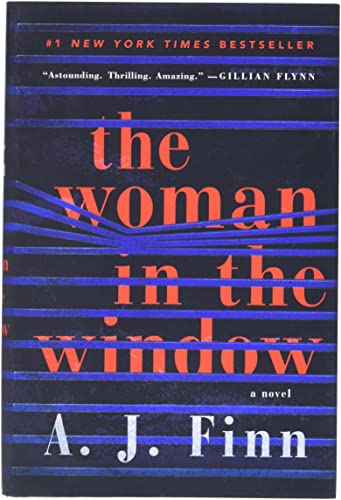
The Woman in the Window
by A.J. Finn
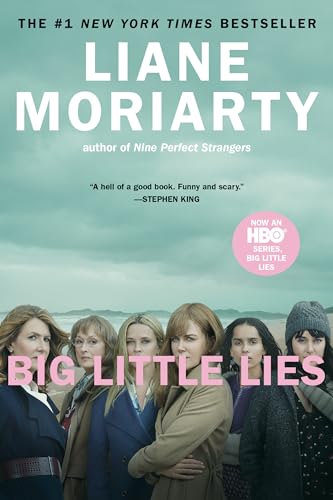
Big Little Lies
by Liane Moriarty
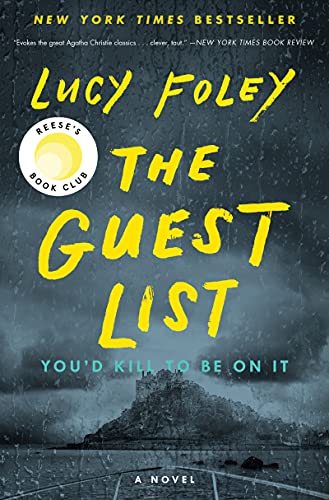
The Guest List
by Lucy Foley
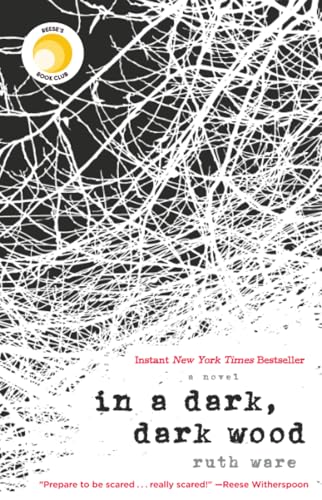
In a Dark, Dark Wood
by Ruth Ware
Why Each Pick
- The Silent Patient by Alex Michaelides
- Shares Gone Girl's fascination with a marriage seen from the outside and a woman the public thinks it has figured out. Alicia's diary entries are woven between the narrator's sessions with her, so the story unfolds on two tracks. It is shorter and more streamlined, with less of Flynn's social satire. Go in knowing as little as possible.
- The Girl on the Train by Paula Hawkins
- The nearest cousin in premise: a missing woman, a marriage under scrutiny and narrators who cannot be fully trusted. Hawkins rotates between three women, and Rachel's blackout drinking makes her memory as uncertain as any account in Gone Girl. The mood is bleaker and more melancholy, with little of Flynn's dark comedy.
- Sharp Objects by Gillian Flynn
- Flynn's debut, with the same razor-edged voice and small-town Missouri setting as Gone Girl, but the focus shifts from a marriage to a mother and her daughters. It is shorter, at 254 pages, and considerably darker. Content note: self-harm is central to the narrator's story, alongside alcohol abuse and the murders of children.
- Verity by Colleen Hoover
- Like Gone Girl, it asks how well anyone really knows their spouse, and it places a troubling manuscript at the center of the story. Hoover writes it as a gothic thriller with a romance threaded through, more lurid and less satirical than Flynn. Content note: explicit sex and disturbing material involving children make this one for adult readers.
- The Woman in the Window by A.J. Finn
- Trades Gone Girl's media circus for a single house: an agoraphobic psychologist who is sure she saw a crime and cannot get anyone to believe her. Like Flynn's novel, it keeps the reader weighing whose version to trust. It is slower and more atmospheric, a homage to classic Hitchcock films, and long at 449 pages.
- Big Little Lies by Liane Moriarty
- Shares Gone Girl's satire of appearances, swapping one crumbling marriage for school-gate politics in a wealthy seaside town. Someone dies at a school trivia night, but the reader does not learn who until late, and witness interviews punctuate the story. Funnier and warmer than Flynn, though it deals seriously with domestic abuse.
- The Guest List by Lucy Foley
- A closer relative of Agatha Christie than of Gone Girl, but it shares the rotating narrators and the sense that every character is concealing something. A wedding on a storm-bound island off Ireland, a body, and chapters that jump between the celebration and the night itself. Lighter on psychology, heavier on the classic whodunit puzzle.
- In a Dark, Dark Wood by Ruth Ware
- Shares Gone Girl's unreliable memory and the slow peeling back of a past the narrator would rather not face. Nora wakes in hospital unable to recall what happened at a remote hen weekend, and the book alternates between her recovery and the events leading up to it. Less venomous than Flynn, it plays more like a tense country-house mystery.
What to Read After Gone Girl
If the unreliable narration was the hook, The Girl on the Train and The Woman in the Window both rest on narrators whose memory or judgment is compromised, and The Silent Patient builds steadily toward a reveal designed to reframe everything before it. If it was the poisonous marriage at the center, Verity is the closest in subject, though far more extreme, while Big Little Lies looks at marriages that seem perfect from outside with more warmth and humor.
If it was Flynn herself, with her acid voice, Midwestern setting and characters who are hard to like, Sharp Objects is the natural next step, written before Gone Girl and arguably even darker. If the public judgment and gossip were what fascinated you, Big Little Lies picks up the theme of a community talking its way toward a verdict. And for readers who mainly want the puzzle, The Guest List and In a Dark, Dark Wood are closer to classic whodunits, with isolated settings and a closed circle of suspects.
Spoiler-Free Twist Guide
Not every thriller here works the same way, and knowing the general shape in advance, without any details, helps set expectations. The Silent Patient and Verity both build toward a late reveal and are best read with as little prior knowledge as possible, so skip detailed reviews. The Guest List and Big Little Lies are mysteries of who: key facts about the death are withheld, and the pleasure lies in guessing. The Girl on the Train and In a Dark, Dark Wood are memory puzzles built around a narrator with gaps in what she recalls.
Sharp Objects and The Woman in the Window are more character-driven: they have their revelations, but the atmosphere and the narrator's state of mind carry as much weight as the plot. On content, Sharp Objects and Verity are the most disturbing picks, and Verity includes explicit sexual content. Big Little Lies and The Guest List are the gentlest entry points for readers who loved Gone Girl's plotting but want less brutality. Page counts run from 254 for Sharp Objects to 460 for Big Little Lies.