Best Books for Teens Compared
Looking for the perfect book for a teenager? Jim compares the YA novels that have captured millions of hearts — from dystopia to romance to coming-of-age.
| Book | Rating |
|---|---|
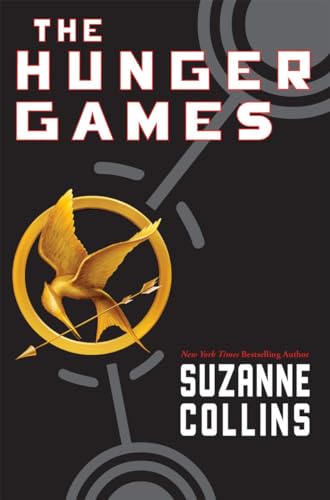 The Hunger Games | 5/5
|
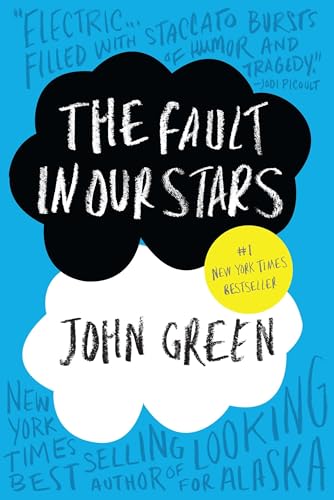 The Fault in Our Stars | 4/5
|
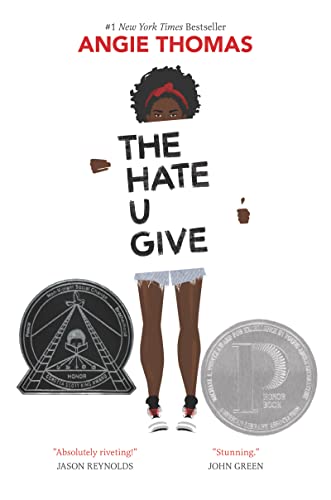 The Hate U Give | 5/5
|
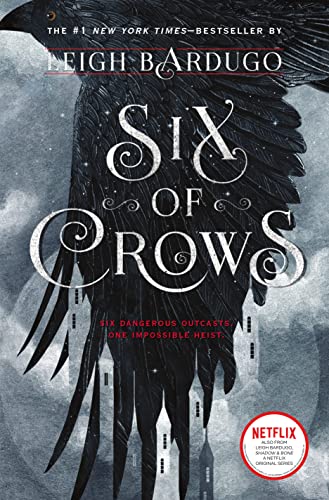 Six of Crows | 5/5
|
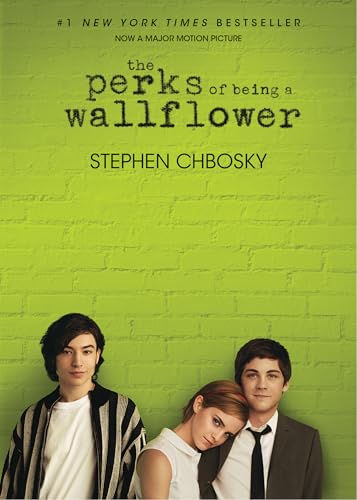 The Perks of Being a Wallflower | 4/5
|
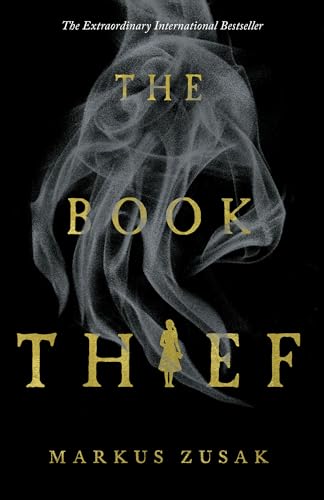 The Book Thief | 5/5
|
Jim's Quick Takes
The Hunger Games
The most accessible pick here for readers 12 and up, with a fast first-person, present-tense voice. Violence is central, since teens fight to the death, but it's handled less graphically than the premise suggests. Compared with Six of Crows it's simpler to follow: one narrator, one clear goal.
Read full review →The Fault in Our Stars
The romance and the tearjerker of the page. Two teens with cancer fall in love, and the story is witty, talky and full of big questions about death and meaning. It's much shorter than The Book Thief but just as sad, with a brief, non-graphic love scene; best for mid-teens and up.
Read full review →The Hate U Give
The most contemporary and politically urgent book here. Starr's story of witnessing a police shooting explores race, class and switching between her neighborhood and her private school. Frequent strong language and some violence make it a better fit for older teens, and it's well suited to discussion.
Read full review →Six of Crows
The only fantasy here and the most intricate plot, with five rotating viewpoints and a heist that keeps changing shape. It suits strong readers who liked The Hunger Games and want more complexity. Backstories involve trafficking, abuse and violence, so it's better for older teens. The story concludes in Crooked Kingdom.
Read full review →The Perks of Being a Wallflower
The shortest book here at 213 pages and the most intimate, told in Charlie's letters to an unnamed friend. It deals frankly with drugs, sex, sexual abuse and mental health, so it's best for older teens. Quieter than The Hate U Give, it suits reflective readers who know what feeling out of place is like.
Read full review →The Book Thief
The longest here at 552 pages and the most literary. Death narrates the story of a German girl during World War II whose family hides a Jewish man, with lyrical prose and deliberate foreshadowing. Its violence is mostly offstage, so it works for younger teens who are strong readers, though its losses hit hard.
Read full review →How to Choose
Start with the kind of story they already reach for on screen. Action and survival fans should start with The Hunger Games; fans of heists and fantasy worlds with Six of Crows. Teens who like emotional dramas will likely gravitate toward The Fault in Our Stars or The Perks of Being a Wallflower, while those following current events and questions of justice will find The Hate U Give the most relevant. Readers who enjoy history or beautiful sentences should try The Book Thief.
Reading level and stamina matter as much as genre. The Hunger Games and The Fault in Our Stars move quickly with straightforward narration. The Book Thief and Six of Crows are longer and more demanding, with an unusual narrator in one and multiple viewpoints in the other, so they suit confident readers. Perks is short but emotionally heavy. If you're choosing for someone else, a free sample of the opening chapter is a quick test of whether the voice clicks.
Age and Content Guide
For younger teens, roughly 12 to 14, The Hunger Games and The Book Thief are the safest choices on this page. Both involve death and war, but neither is explicit, and both are widely taught in middle and high schools. The Fault in Our Stars suits most readers from about 14 up. Its challenge is emotional rather than graphic, since it centers on illness and grief, with one brief, non-explicit love scene.
The remaining three are best for older teens, roughly 15 and up. The Hate U Give has frequent profanity and depicts a police shooting and its aftermath. Six of Crows includes violence and backstories involving abuse and human trafficking. The Perks of Being a Wallflower addresses drug use, sexual content, sexual abuse and suicide, and it has appeared repeatedly on lists of the most challenged books in American schools. Parents who want to talk through these themes may want to read along.