Best Cookbooks Compared
Which cookbook should you actually buy? Ten standouts side by side: technique teachers, all-purpose references, a French classic, vegetable-forward books and weeknight shortcuts. Compare approach, length and difficulty to pick the one that fits how you cook.
| Book | Rating |
|---|---|
 Salt, Fat, Acid, Heat | 5/5
|
 The Food Lab | 5/5
|
 How to Cook Everything | 5/5
|
 Joy of Cooking | 5/5
|
 Mastering the Art of French Cooking | 5/5
|
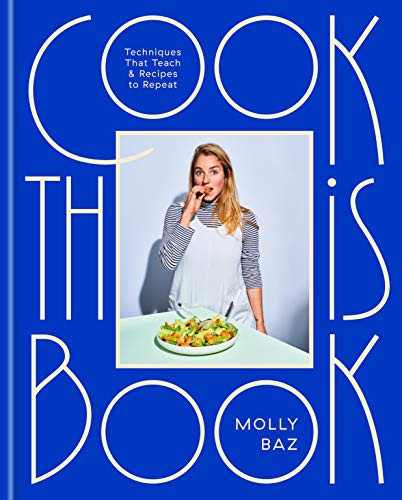 Cook This Book | 4/5
|
 Ottolenghi Simple | 5/5
|
 Six Seasons | 5/5
|
 The Smitten Kitchen Cookbook | 5/5
|
 Dinner in One | 4/5
|
Jim's Quick Takes
Salt, Fat, Acid, Heat
The best book for learning to cook without a recipe. Samin Nosrat organizes everything around four elements, with Wendy MacNaughton's illustrations doing much of the teaching. Recipes take a back seat to principles, so it suits cooks who want to understand why food tastes good. It's friendlier than The Food Lab and covers broader ideas than Cook This Book.
Read full review →The Food Lab
The science-heavy choice. J. Kenji López-Alt tests everyday techniques, from searing steak to making scrambled eggs, and explains what works and why, with photos and data. At 958 pages it's a huge book focused on American home cooking. Pick it over Salt, Fat, Acid, Heat for readers who like experiments and detailed explanations.
Read full review →How to Cook Everything
The most practical all-purpose reference. Mark Bittman's 2,000-plus recipes are short and direct, with variations that teach readers to improvise. It's more modern and faster to use than Joy of Cooking, and the best single cookbook for a household that wants one book to cover almost everything.
Read full review →Joy of Cooking
The classic American reference, first written in 1931 and revised by later generations of the Rombauer family; the 2019 edition adds hundreds of new recipes. At 1,200 pages it covers more ground than How to Cook Everything, including baking and preserving, in a warm, chatty voice. Best as a lifetime kitchen reference.
Read full review →Mastering the Art of French Cooking
The French classic that introduced American home cooks to French technique in 1961. Recipes are long and precise, and each builds skills used later in the book. It demands more time and attention than anything else here. Choose it for a cook who wants a project and a solid grounding in sauces, braises and classic dishes.
Read full review →Cook This Book
The most beginner-friendly technique book. Molly Baz pairs everyday recipes with lessons on salting, searing, pan sauces and balancing a dish with acid, so each meal teaches a skill. It's shorter and more recipe-driven than Salt, Fat, Acid, Heat, with a bold, opinionated voice. A strong choice for a first apartment.
Read full review →Ottolenghi Simple
Bold, vegetable-forward cooking with Middle Eastern flavors, made easier. Every recipe is tagged by what makes it simple, such as short on time, few ingredients or make-ahead. Some recipes call for spices like sumac or za'atar that may need a special trip. More adventurous than Smitten Kitchen and more weeknight-friendly than Ottolenghi's earlier books.
Read full review →Six Seasons
The vegetable book organized by the calendar. Joshua McFadden splits the year into six produce seasons and shows how to cook what's at its best right now, from raw salads to long roasts. It suits farmers'-market shoppers and gardeners better than Ottolenghi Simple does, since it starts from the vegetable rather than the flavor.
Read full review →The Smitten Kitchen Cookbook
The friendly crowd-pleaser. Deb Perelman, of the Smitten Kitchen blog, offers 100 new recipes developed in a tiny New York kitchen, each with a photo. Recipes are approachable without being basic, with a mix of baking and savory dishes. Less of a teaching book than Cook This Book; more of a collection of reliable favorites.
Read full review →Dinner in One
The weeknight shortcut. Melissa Clark's 100 recipes each use one pot, pan or dish and are ready in about an hour, with swap suggestions for missing ingredients. It's the shortest book here at 256 pages and the most focused on convenience. Choose it for busy households over the bigger references.
Read full review →How to Choose
Decide whether you want to learn technique or collect recipes. To learn how cooking works, start with Salt, Fat, Acid, Heat for principles, Cook This Book for a guided beginner's course, or The Food Lab for science. For one reference that answers almost any question, How to Cook Everything is the quicker read and Joy of Cooking the broader one. For a serious project, Mastering the Art of French Cooking.
If you already cook and want new ideas, Ottolenghi Simple and Six Seasons bring vegetable-forward dishes, Smitten Kitchen offers reliable favorites, and Dinner in One cuts weeknight cleanup. Page counts vary widely, from Dinner in One's 256 to Joy of Cooking's 1,200, so consider counter space too.
Building a Small Cookbook Shelf
Most kitchens are well served by three types of book: one technique book, one big reference and one book for everyday inspiration. A sensible trio is Salt, Fat, Acid, Heat, How to Cook Everything and either Ottolenghi Simple or Smitten Kitchen.
Looking for a gift instead? Our Cookbook Gifts for Home Cooks and Best Cookbooks for Beginners guides explain who each book suits. Print editions of the big references hold up better in a kitchen than e-books, which are harder to use with messy hands.