Best Programming Books Compared
Jim puts the top programming books head-to-head. Whether you're a beginner or a seasoned dev, find the right book for your level.
| Book | Rating |
|---|---|
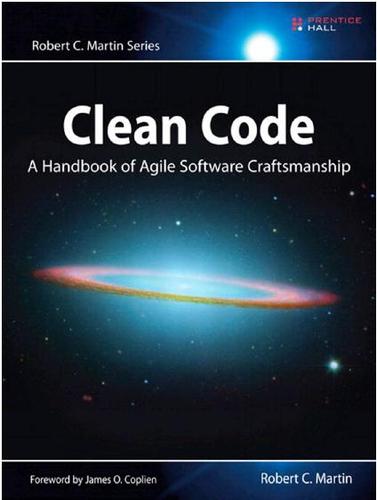 Clean Code | 4/5
|
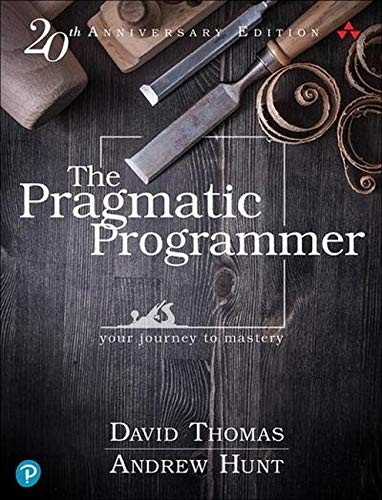 The Pragmatic Programmer | 5/5
|
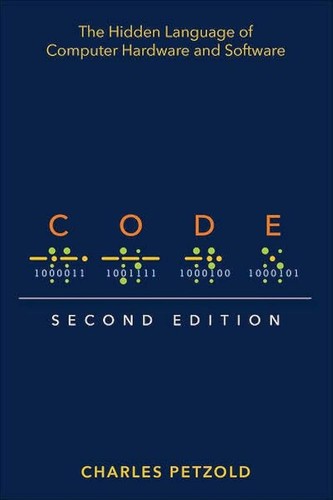 Code | 5/5
|
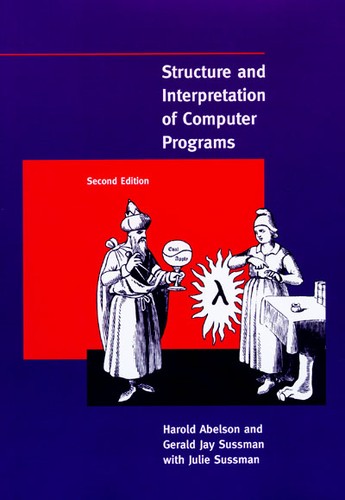 Structure and Interpretation of Computer Programs | 5/5
|
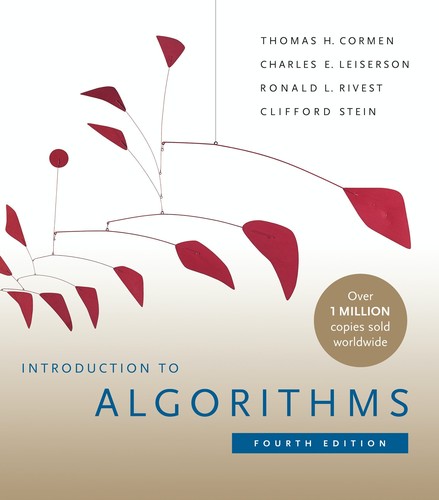 Introduction to Algorithms | 5/5
|
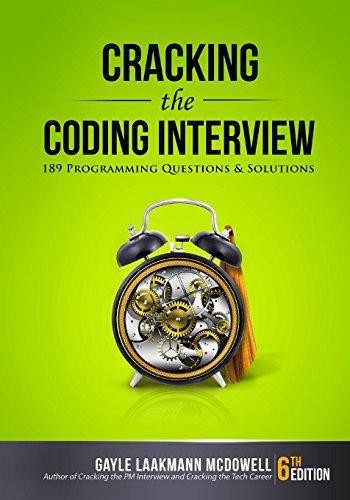 Cracking the Coding Interview | 4/5
|
Jim's Quick Takes
Clean Code
Best for working developers who already ship code and want it easier for teammates to read. It's narrower and more opinionated than The Pragmatic Programmer, zooming in on naming, function size and refactoring, with examples written in Java. Treat its rules as strong defaults rather than laws.
Read full review →The Pragmatic Programmer
The broadest and most browsable pick here: short, numbered tips on debugging, estimating, automation and owning your mistakes. Where Clean Code examines single functions, this book steps back to how a programmer works day to day. It suits anyone from a first job to a senior role, in any language.
Read full review →Code
The gentlest on-ramp on this page and the only one that assumes no programming at all. Petzold climbs from Morse code and simple circuits up to a working processor, explaining the machine the other five books take for granted. Its 480 pages read more like popular science than a textbook.
Read full review →Structure and Interpretation of Computer Programs
After CLRS, the most demanding book here, and the one most concerned with ideas rather than job skills. Written for MIT students and taught in Scheme, it treats programs as layers of abstraction and has you build interpreters yourself. It rewards slow work through the exercises, not skimming.
Read full review →Introduction to Algorithms
A 1,312-page reference to consult, not read straight through. CLRS gives rigorous pseudocode and proofs for sorting, graphs, dynamic programming and much more, which makes it ideal for coursework and for looking things up for years. For interview drilling without the proofs, Cracking the Coding Interview is faster.
Read full review →Cracking the Coding Interview
The most goal-specific book on the page: 189 interview problems with worked solutions, plus chapters on resumes, behavioral questions and handling offers. It earns its place during a job search and matters less once you're hired. Work it problem by problem with an editor open instead of reading straight through.
Read full review →How to Choose
Start with your goal. If a job search is imminent, Cracking the Coding Interview is the only book here built for it; reach for CLRS only when a specific topic stumps you. If you code for a living and want code your colleagues enjoy maintaining, read The Pragmatic Programmer for the big picture and Clean Code for line-level discipline. If you're curious how computers work at all, or you aren't a programmer yet, Code is the friendliest way in.
Then be honest about time and your appetite for math. Code, The Pragmatic Programmer and Clean Code can be read in the evenings without a laptop nearby. SICP and Introduction to Algorithms are course-length commitments that expect you to do exercises, follow proofs and return to chapters more than once. A workable rhythm is one deep book a year alongside a practical one, so theory and craft grow together instead of a textbook sitting half-finished on the shelf.
Suggested Reading Order
For a self-taught developer or bootcamp graduate, a sensible path runs Code, then The Pragmatic Programmer, then Clean Code. That sequence moves from how the hardware works, to how a professional programmer thinks, to how a single function should read. Each book makes the next one land better, and none of the three is tied to a language or framework you might never use, so the order holds whether you write Python, JavaScript or something else.
Save SICP and CLRS for when the practical books start to feel familiar. SICP reshapes how you think about abstraction and is best tackled with real time set aside to work its exercises in Scheme. CLRS fits best alongside a course or a specific need, such as studying graph algorithms or dynamic programming in depth. Cracking the Coding Interview sits outside the sequence entirely: pick it up whenever a job search begins, at whatever stage you happen to be.