Best Sci-Fi Novels Compared
From space operas to dystopian futures, Jim compares the greatest science fiction novels of all time.
| Book | Rating |
|---|---|
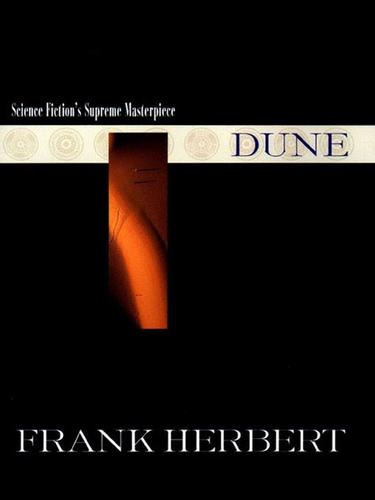 Dune | 5/5
|
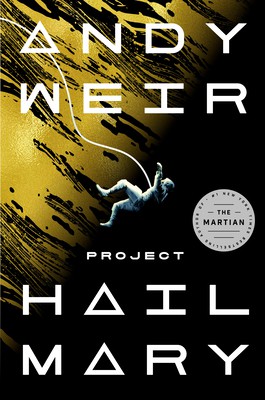 Project Hail Mary | 5/5
|
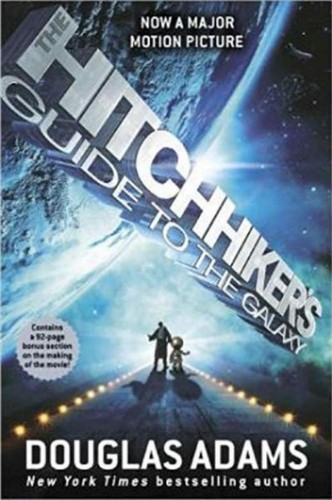 The Hitchhiker's Guide to the Galaxy | 5/5
|
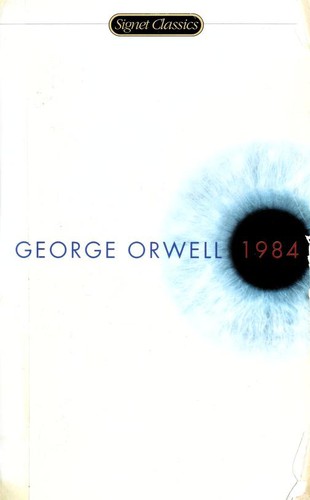 1984 | 5/5
|
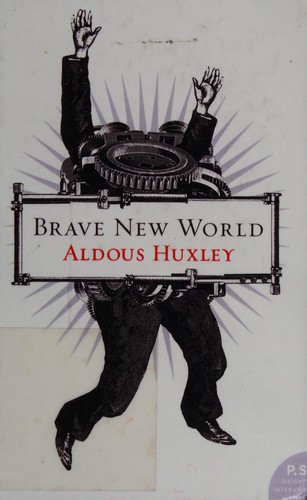 Brave New World | 4/5
|
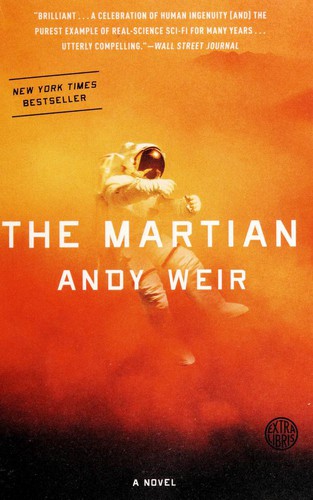 The Martian | 4/5
|
Jim's Quick Takes
Dune
The biggest commitment on this page at 688 pages, and the most layered. Herbert mixes desert ecology, religion, politics and a coming-of-age story, with invented vocabulary backed by appendices and a glossary. Best for readers who enjoy slow-building epics; anyone wanting Andy Weir's brisk problem-solving should start elsewhere.
Read full review →Project Hail Mary
Best for readers who want warmth alongside hard science. Like The Martian, it follows a lone scientist solving problems with physics and humor, but it adds an amnesia mystery revealed in flashbacks and a stronger emotional core. It's longer than The Martian at 496 pages, yet it reads just as fast.
Read full review →The Hitchhiker's Guide to the Galaxy
The pure comedy on the page and, at 224 pages, the quickest finish. Adams uses space travel as a launchpad for absurd jokes about bureaucracy and the meaning of life rather than serious speculation. It's ideal between heavier books like Dune or 1984, though readers wanting plot tension may find it meandering.
Read full review →1984
The bleakest book here, and the source of terms like Big Brother and doublethink that still surface in debates about surveillance. Orwell's state rules through fear, constant watching and rewritten history, and the ending offers no comfort. Best for readers ready for a heavy political novel; pair it with Brave New World.
Read full review →Brave New World
The quieter, stranger counterpart to 1984. Huxley's future controls people through pleasure, conditioning and a drug called soma instead of terror, which can feel unnervingly current. Written in 1932, it's more satirical and idea-driven than gripping, so it suits readers who enjoy debating a book after the last page.
Read full review →The Martian
The most technical survival story here and arguably the funniest, told largely through Mark Watney's mission logs. It's tighter than Project Hail Mary, with no flashback structure, just one crisis after another on Mars. Expect plenty of profanity, so it fits adults and older teens best.
Read full review →How to Choose
Start with the mood: fun, ideas or immersion. For pure momentum, The Martian and Project Hail Mary are the easiest picks: modern prose, short chapters and problem-solving that pulls you from page to page. For a laugh, The Hitchhiker's Guide to the Galaxy is the shortest and silliest book here. For ideas that linger long after the last page, 1984 and Brave New World are the classic warnings about how a society can go wrong.
For full immersion, Dune is the one. Its politics, ecology and prophecies take patience, and the opening chapters drop you into unfamiliar terms with little explanation, but it offers the richest invented world on this page. If you're new to science fiction, start with a Weir novel, then try Dune once you know you enjoy the genre. If time is short, Hitchhiker's or Brave New World can fit into a weekend.
Classic vs Modern
Four of these are older classics: Brave New World (1932), 1984 (1949), Dune (1965) and Hitchhiker's (1979). They shaped the genre's vocabulary, and their ideas echo through countless later books and films, but they were written for readers of another era. Expect more exposition, slower openings and, in the two dystopias, a lecturing streak where characters explain how the system works. Part of their value is seeing where modern science fiction came from.
The two Andy Weir novels here are the modern entries and read very differently: conversational first-person narration, quick chapters and science explained as the hero works through it out loud. They're optimistic too, built around competence and cooperation rather than the warnings of Orwell and Huxley. A balanced plan is to alternate, following a heavy classic like 1984 with The Martian, so the genre's darker and lighter sides each get a turn.