Best Self-Help Books Compared
Jim rates the most popular self-improvement books so you don't have to read all of them. Spoiler: some are life-changing, some are glorified blog posts.
| Book | Rating |
|---|---|
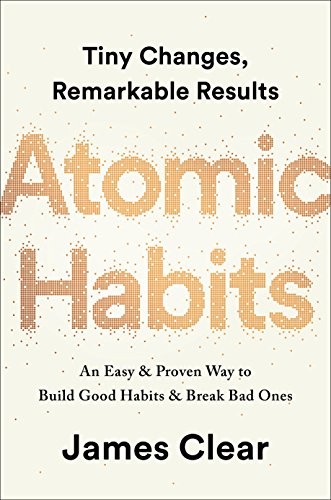 Atomic Habits | 5/5
|
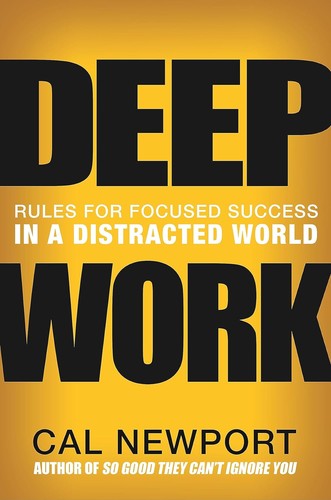 Deep Work | 4/5
|
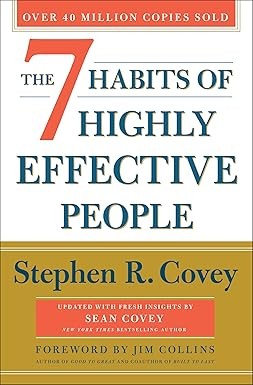 The 7 Habits of Highly Effective People | 5/5
|
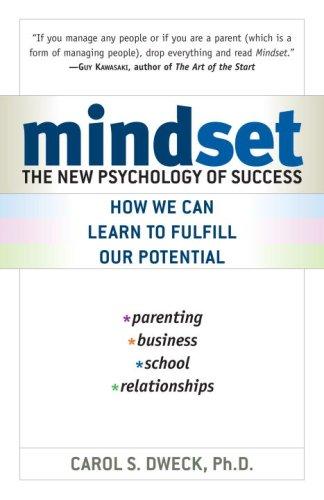 Mindset | 4/5
|
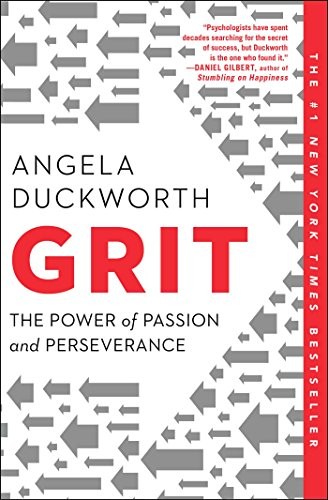 Grit | 4/5
|
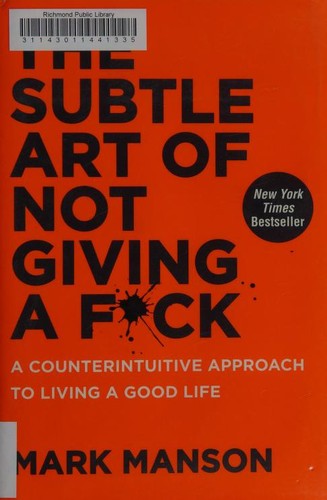 The Subtle Art of Not Giving a F*ck | 4/5
|
Jim's Quick Takes
Atomic Habits
The most hands-on book on this page. Clear turns habit change into four laws and small tactics like habit stacking, so it suits readers who want something to try this week rather than a philosophy. It's lighter on research detail than Mindset or Grit and much quicker to get through than The 7 Habits.
Read full review →Deep Work
Best for knowledge workers whose days dissolve into email and chat. Unlike the whole-life frameworks of Covey or Manson, Newport targets one skill, sustained concentration. The first half makes the case for it and the second half lays out rules, so it's more of an argument than a toolkit.
Read full review →The 7 Habits of Highly Effective People
The most comprehensive and slowest book here, first published in 1989. Covey builds a values-driven system that moves from personal habits like being proactive to relationship habits like seeking first to understand. Its tone is earnest and its examples older, so it suits readers who want a life framework, not quick tips.
Read full review →Mindset
Best for parents, teachers, coaches and anyone who avoids challenges for fear of looking foolish. Dweck's single idea, fixed versus growth mindset, is simpler than anything else on the page and explained through studies and stories. It's less of a how-to than Atomic Habits and pairs naturally with Grit.
Read full review →Grit
Best for readers drawn to the science of long-term effort. Duckworth draws on her own research and on profiles ranging from West Point cadets to spelling bee contestants, making it more research-driven than Atomic Habits. It overlaps with Mindset but asks why some people keep going for years, not how they view talent.
Read full review →The Subtle Art of Not Giving a F*ck
The shortest here at 224 pages and by far the bluntest, with profanity throughout. Manson pushes back on relentless positivity and argues for choosing carefully what to care about. It suits readers allergic to traditional self-help; anyone wanting step-by-step systems will find more in Atomic Habits or The 7 Habits.
Read full review →How to Choose
Name the problem first. If you keep starting good routines and dropping them, Atomic Habits is the most direct fit. If your trouble is distraction rather than discipline, Deep Work addresses it head-on. If setbacks make you quit or avoid trying, Mindset and Grit explain the psychology behind persistence. If you want a big-picture system for priorities and relationships, The 7 Habits goes deepest. And if earnest self-help makes you roll your eyes, start with Manson.
Time and tone matter too. The Subtle Art and Atomic Habits are the quickest and most conversational reads on the page. Grit and Mindset read like accessible psychology, with studies explained in plain terms. The 7 Habits, at 464 pages, is best taken one habit at a time over several weeks, and Deep Work works best if you try its rules as you go. Readers who dislike strong language should know that Manson's title is an accurate preview of the prose.
Which Books Overlap
Mindset and Grit cover neighboring ground. Both are written by research psychologists, and both argue that effort and attitude count for more than people assume compared with natural talent. Mindset focuses on how you interpret ability and failure; Grit focuses on sustaining interest and practice over many years. Read back to back they can feel repetitive, so picking one is a reasonable choice: Mindset for the core idea, Grit for the research on long-haul perseverance.
Atomic Habits and Deep Work complement each other rather than overlap. One explains how to install a routine; the other argues that long, uninterrupted focus is the routine most worth installing for knowledge work. The 7 Habits touches both through its "put first things first" habit, but it's broader and more values-driven. The Subtle Art is the odd one out, a counterweight that questions the self-improvement goals the other five take for granted.