Eight books that change how you think about money. Get out of debt, build the emergency fund, automate the boring parts, invest in low-cost index funds, and let compounding work. Different temperaments, different philosophies — Jim has shelved every one of them in the burrow library and recommends them all.
Published May 8, 2026
As an Amazon Associate, Bookworm Jim earns from qualifying purchases, at no extra cost to you.
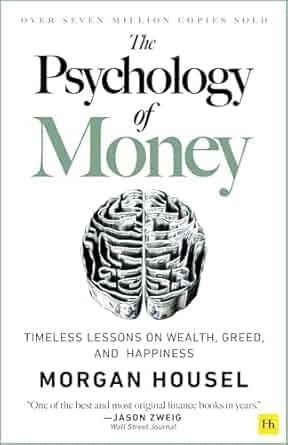
Doing well with money isn't necessarily about what you know. It's about how you behave. And behavior is hard to teach, even to really smart people. Morgan Housel shares 19 short stories exploring the strange ways people think about money.
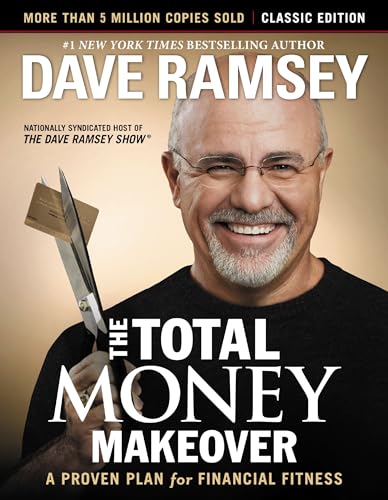
Dave Ramsey's signature seven-step plan for getting out of debt and building wealth — the "Baby Steps." Save a $1,000 starter emergency fund, snowball your debts smallest to largest, fully fund your emergency reserve, then invest 15% of income for retirement. Sold over five million copies on the strength of one idea: the math works only when you change the behavior first.
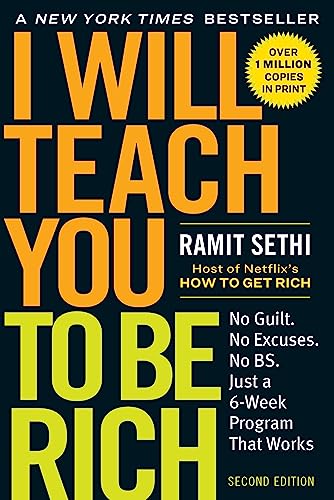
Ramit Sethi's six-week, automation-first system for personal finance: optimize credit cards, set up high-yield checking and savings, automate Roth IRA and 401(k) contributions, build conscious spending around what you actually love. The second edition (2019) is a top-to-bottom rewrite for the modern financial landscape.
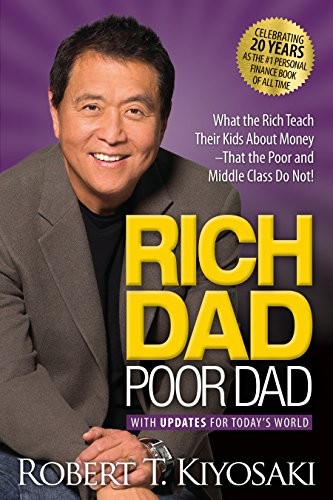
Robert Kiyosaki shares the contrasting financial philosophies of his two "dads" — his real father and his best friend's father. The book challenges conventional wisdom about money, work, and investing, advocating for financial literacy and building assets.
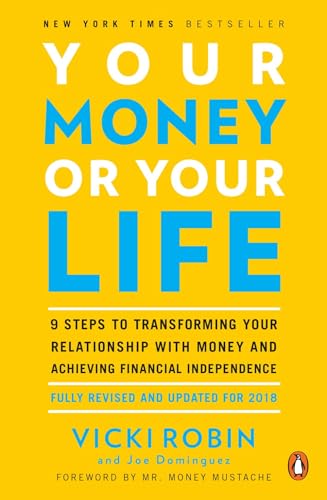
Vicki Robin and Joe Dominguez's foundational personal finance text — the book that named the concept of financial independence and gave the FIRE movement its philosophical backbone. Nine steps for tracking life energy spent, calculating real hourly wage, eliminating wasted spending, and building a portfolio that frees you from required work.
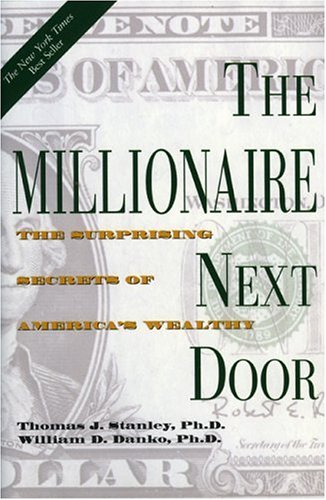
After two decades of survey research, Stanley and Danko mapped the actual habits of America's millionaires and found something startling: most of them don't look rich. They drive used cars, live in unassuming neighborhoods, shop at warehouse clubs, and have spent decades quietly outsaving and outinvesting their high-income, high-spending neighbors. The original research-backed PAW (Prodigious Accumulator of Wealth) framework still reshapes how readers think about what wealth actually looks like.
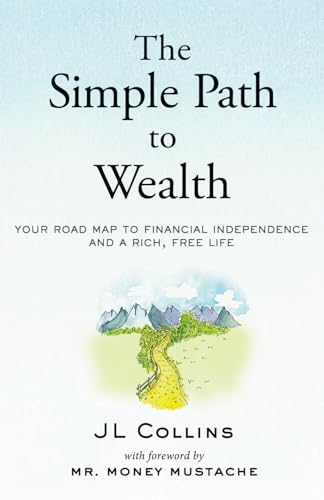
JL Collins distilled his "Stock Series" of letters to his daughter into the clearest investing book in print. Buy low-cost total stock market index funds (he likes Vanguard's VTSAX), keep your spending below your income, invest the difference, ignore the noise, and let compounding do the rest. No proprietary system, no products to sell, no complexity that doesn't pay for itself.
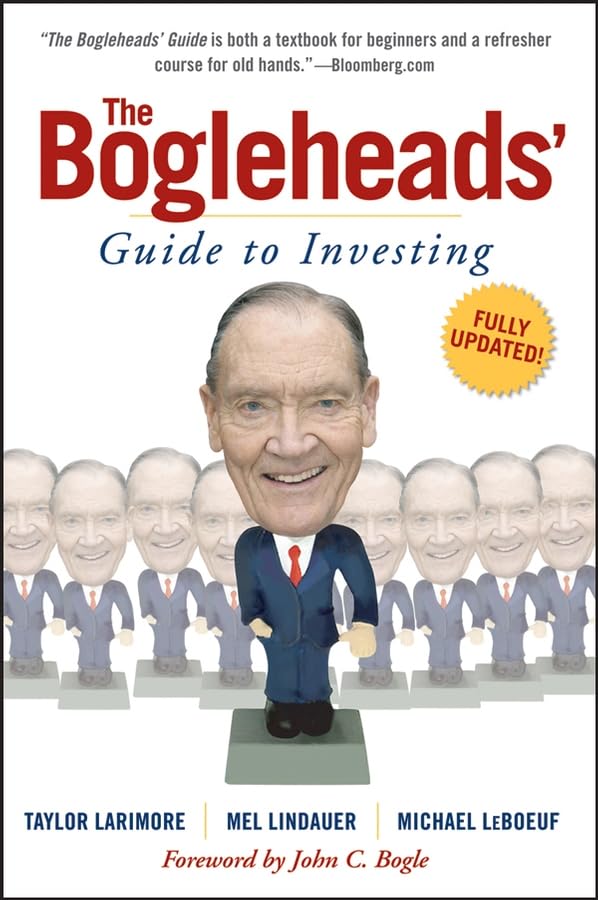
Three retired Bogleheads — disciples of Vanguard founder Jack Bogle — distill the community's collective wisdom into a single accessible volume. Index-fund-first, low-cost, tax-aware investing for the long haul. Covers asset allocation, rebalancing, tax-advantaged accounts, behavioral pitfalls, and estate planning, all from the same coherent philosophy.