Economics Reading List
From supply and demand to the hidden side of everything, these are the books that every econ student needs. Jim's picks include the standard textbook plus the fun stuff that makes economics feel less like homework.
Published March 5, 2026 · Updated October 27, 2026
Reading list
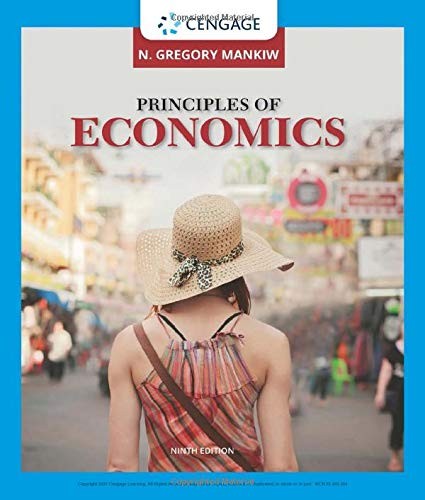
Principles of Economics
by N. Gregory Mankiw
The required text for many first-year Principles of Microeconomics and Macroeconomics sequences. It assumes only high school algebra and teaches graphing as it goes. Mankiw's text is also sold as separate micro and macro volumes, so check which one your course lists before buying the combined 856-page ninth edition.
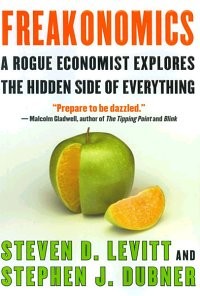
Freakonomics
by Steven D. Levitt, Stephen J. Dubner
Supplementary reading for an intro course or a first econometrics or research methods class. Its chapters show how economists use data and incentives to answer odd questions, which makes it a useful prompt for discussing correlation versus causation. No prerequisites; most students can finish it in a weekend.
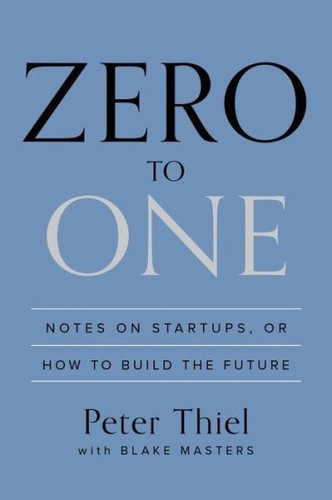
Zero to One
by Peter Thiel
Grew out of Peter Thiel's Stanford startup course, and pairs well with the market structure unit of a microeconomics class. Its argument that successful firms seek monopoly rather than competition is worth debating against the textbook model. Introductory and short, it suits students considering entrepreneurship or business electives.
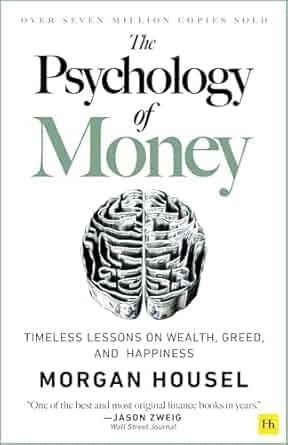
The Psychology of Money
by Morgan Housel
Not a course text, but useful personal-finance context for students in a money and banking or behavioral economics class. Its short chapters contrast the rational actor of the textbook with how people actually save, spend and take risk. Readable by any first-year student with no math required.
Outliers
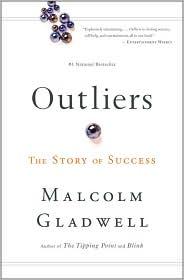
by Malcolm Gladwell
Light supplementary reading for labor economics or sociology-adjacent electives, where ideas like cumulative advantage and human capital come up. Treat its examples as stories to test, not evidence: a good exercise is asking what data would be needed to confirm each claim. Introductory difficulty.
Guns, Germs, and Steel
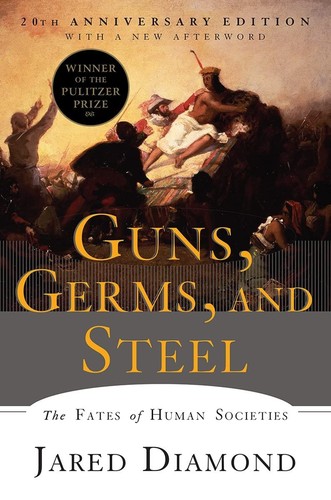
by Jared Diamond
A strong fit for economic history or development economics, often discussed alongside institution-focused explanations of why some countries grew rich. It won the 1998 Pulitzer Prize for general nonfiction. Intermediate difficulty because of its length and scope, but no economics background is required.
Thinking, Fast and Slow
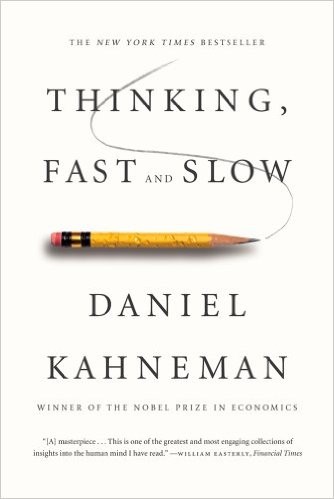
by Daniel Kahneman
The most useful supplementary read for a behavioral economics course. Kahneman, a Nobel laureate in economics, explains prospect theory, loss aversion, anchoring and framing, which challenge the rational-choice assumptions of an intro class. Best read after Principles, when students know which assumptions are being questioned.
The Lean Startup
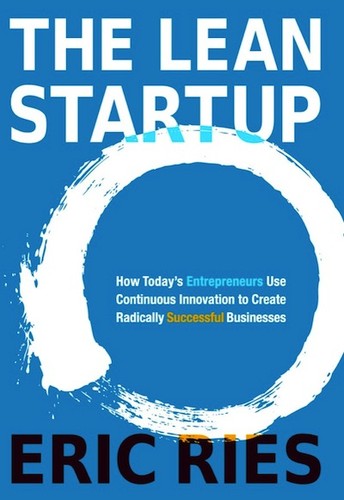
by Eric Ries
Career prep for economics majors drifting toward business, product or startup roles, rather than a course text. Its build-measure-learn loop is essentially applied experimentation, a practical complement to an econometrics or research methods class. Introductory and quick to read, with no prerequisites.
Editions and Access Codes
Principles of Economics is the one book on this list where the edition matters. If your course assigns online homework through the publisher, you may need an access code tied to the current edition, so read the syllabus before buying a used copy. Also check whether the course uses the combined text or only the micro or macro volume, since buying the full book for a one-semester course is an easy way to overspend.
Everything else here is supplementary reading, and older or used printings are fine. Freakonomics, Outliers, Zero to One and The Lean Startup are easy to find secondhand or at the library, and their arguments do not change between printings. Thinking, Fast and Slow and Guns, Germs, and Steel are longer and worth owning if you expect to cite them in papers for upper-level electives.
Textbook vs. Popular Economics
A textbook like Mankiw builds models step by step: assumptions, graphs, then predictions you can test on an exam. Popular economics books skip the machinery and go straight to a striking conclusion. That makes them more fun, and also easier to overstate. Freakonomics and Outliers in particular rely on memorable examples, and some of their claims have been debated by other researchers since publication.
The best way to use them is side by side. After the market structure unit, read Zero to One's case for monopoly and ask where it agrees with the textbook. After the consumer choice unit, read Thinking, Fast and Slow and list which assumptions Kahneman challenges. Popular books are great at raising questions, while the textbook gives you the tools to judge the answers. A bookworm who reads only one kind misses half the conversation.