Best Business Books Compared
Jim puts the top business and leadership books in the ring. Find out which one is right for your career stage.
| Book | Rating |
|---|---|
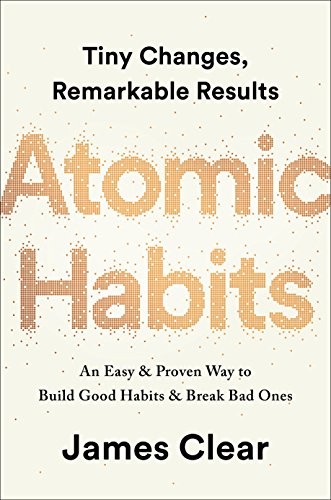 Atomic Habits | 5/5
|
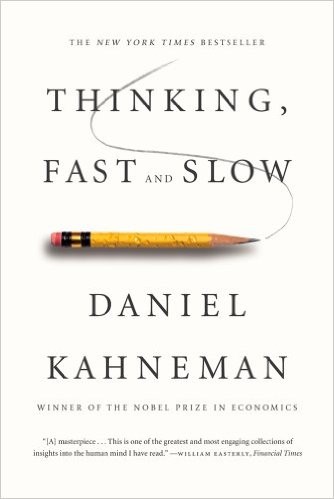 Thinking, Fast and Slow | 4/5
|
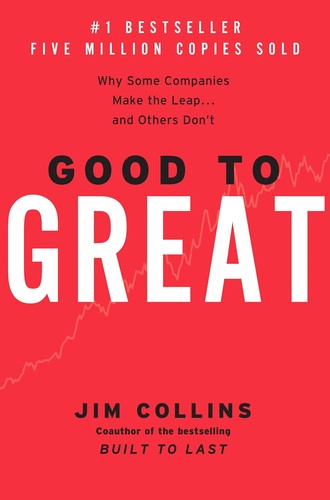 Good to Great | 5/5
|
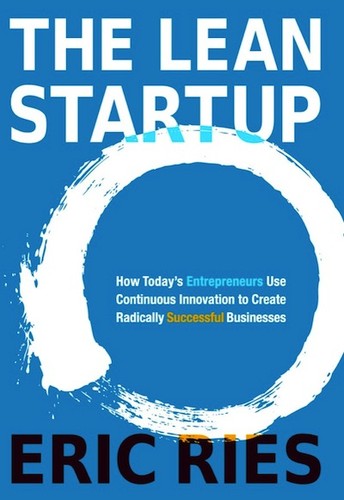 The Lean Startup | 4/5
|
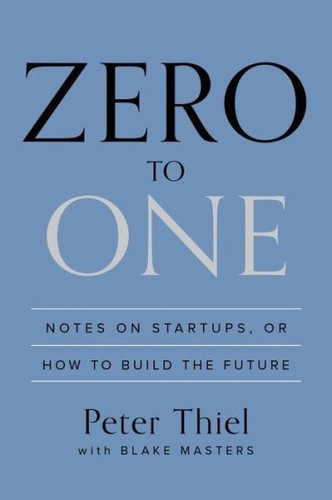 Zero to One | 4/5
|
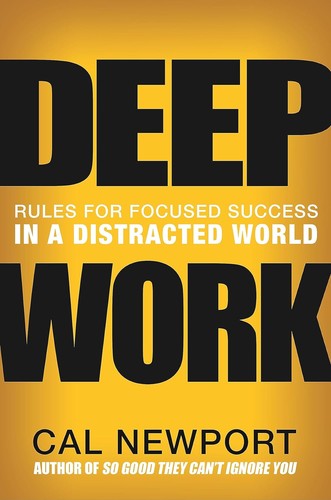 Deep Work | 4/5
|
Jim's Quick Takes
Atomic Habits
The least business-specific book here but the easiest to apply on a Monday morning. Where Good to Great studies companies, Clear studies individual routines, which makes it a fit for managers and solo founders tuning their own systems. It's far lighter than Kahneman and more practical than Thiel.
Read full review →Thinking, Fast and Slow
The most demanding read on the page: 499 pages of dense research. Kahneman, a Nobel-winning psychologist, catalogs the biases behind judgment, from anchoring to loss aversion, which matters to anyone making forecasts, hiring calls or big decisions. Expect a slow, chapter-at-a-time read, nothing like the brisk pace of Zero to One.
Read full review →Good to Great
Best for leaders of established companies rather than founders at the idea stage. Collins compares firms that made a lasting leap with similar ones that didn't, producing ideas like Level 5 Leadership and the Hedgehog Concept. Published in 2001, its case studies are dated and some featured firms later struggled, so read it for the frameworks.
Read full review →The Lean Startup
The most operational book here for anyone launching something new, whether in a startup or inside a large company. Ries's build-measure-learn loop, minimum viable product and pivot are concrete methods you can plan experiments around. Zero to One stresses bold vision over iteration, so the two make a useful debate.
Read full review →Zero to One
The shortest book here at 224 pages and easily the most opinionated. Thiel argues that great companies create something new and escape competition, a sharp contrast with Good to Great's patient discipline and The Lean Startup's incremental testing. It suits founders and ambitious employees who want a book to argue with, not a checklist.
Read full review →Deep Work
The pick for individual contributors and makers rather than executives. Newport argues that uninterrupted focus is becoming rarer and more valuable at work, a useful counterweight to the speed-first culture The Lean Startup describes. It's shorter and more prescriptive than Thinking, Fast and Slow.
Read full review →How to Choose by Career Stage
Early in a career, the most immediately usable books here are about how you work: Deep Work for protecting focus and Atomic Habits for building routines. Both apply whether you're an analyst, an engineer or in sales, and neither assumes you manage anyone. If you're thinking about starting something, add The Lean Startup, which gives you a practical vocabulary for testing an idea cheaply before you commit serious time or money to it.
If you lead a team or a company, Good to Great is the classic on leadership and strategy at scale, while Thinking, Fast and Slow helps with judgment calls by naming the biases that distort them. Founders weighing what to build should read Zero to One and The Lean Startup as a pair. With only a few free evenings, start with Zero to One, the shortest; with a couple of months, Kahneman is the deepest book on the page.
Where These Books Disagree
The Lean Startup and Zero to One represent two schools of startup thinking. Ries advises launching a minimum viable product early, measuring real customer behavior and pivoting when the evidence says so. Thiel is skeptical of incremental iteration as a strategy and pushes for a bold, specific plan to build something no one else is making. Reading both makes each book's blind spots easier to see, and the tension between testing and conviction is the real lesson of the pair.
Thinking, Fast and Slow adds a useful check on the rest. Kahneman's chapters on hindsight, luck and the halo effect question how much any study of successful companies can reveal, which is worth keeping in mind while reading Good to Great's case studies. Atomic Habits and Deep Work stand slightly apart from the debate: they're about personal effectiveness rather than strategy, so they sit comfortably alongside any of the other four.