Books that made Jim look at the world completely differently. These nonfiction picks will challenge your assumptions, blow your mind, and make you the most interesting person at any dinner party.
Published March 27, 2026
As an Amazon Associate, Bookworm Jim earns from qualifying purchases, at no extra cost to you.
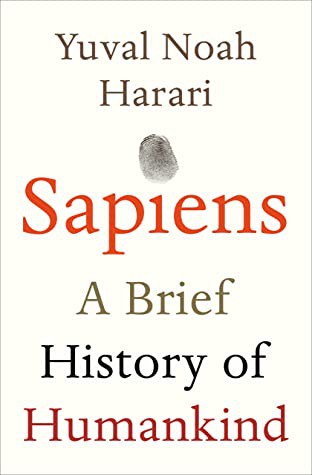
Yuval Noah Harari spans the whole of human history, from the very first humans to walk the earth to the radical — and sometimes devastating — breakthroughs of the Cognitive, Agricultural, and Scientific Revolutions.
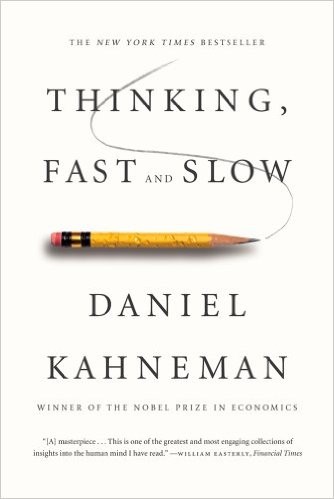
Nobel laureate Daniel Kahneman takes us on a groundbreaking tour of the mind and explains the two systems that drive the way we think. System 1 is fast, intuitive, and emotional; System 2 is slower, more deliberative, and more logical.
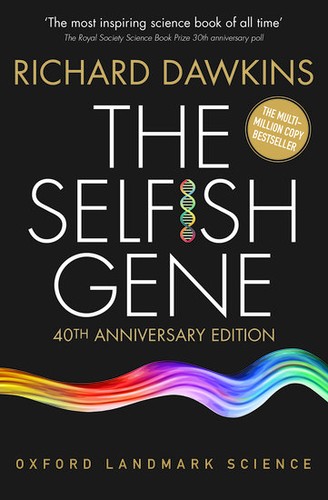
Richard Dawkins' landmark work presents a gene-centered view of evolution, arguing that organisms are mere "survival machines" built by their genes. The book introduced the concept of the "meme" and revolutionized how we think about natural selection.
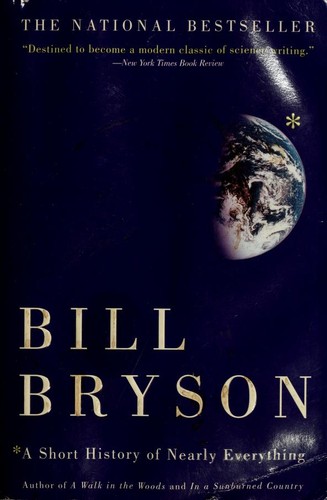
Bill Bryson takes his ultimate journey — into the most intriguing and intractable questions that science seeks to answer. Taking as territory everything from the Big Bang to the rise of civilization, Bryson seeks to understand how we got from there being nothing at all to there being us.
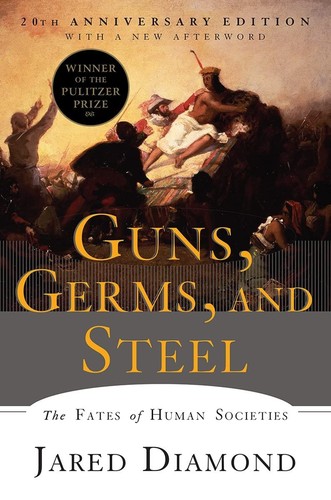
Jared Diamond argues that the gaps in power and technology between human societies originate in environmental differences, not in racial or cultural superiority. He traces how geography, agriculture, and animal domestication shaped the modern world.
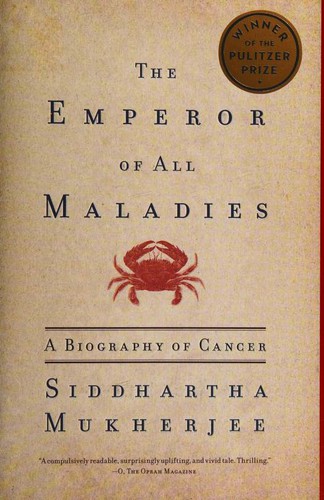
Siddhartha Mukherjee crafts a sweeping "biography" of cancer, tracing the disease from its first documented appearances thousands of years ago to the cutting-edge research of today. Winner of the Pulitzer Prize, it's a masterful blend of science, history, and human stories.
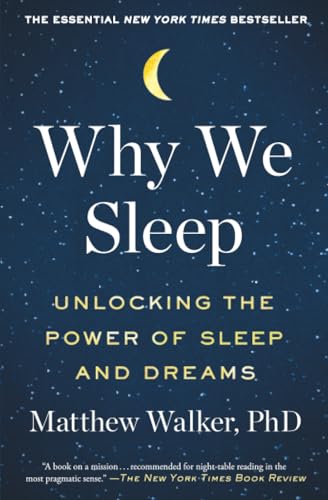
Neuroscientist Matthew Walker explores the science of sleep, revealing how it affects every aspect of our health — from brain function and immune defense to weight regulation and emotional well-being. A compelling argument for why sleep is the most important thing you can do for your body.
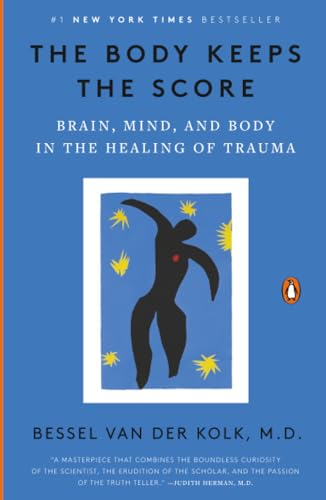
Pioneering psychiatrist Bessel van der Kolk draws on decades of research to show how trauma reshapes both the body and the brain. He explores innovative treatments — from neurofeedback to yoga to EMDR — that offer new paths to recovery beyond traditional talk therapy.