Books Like Atomic Habits
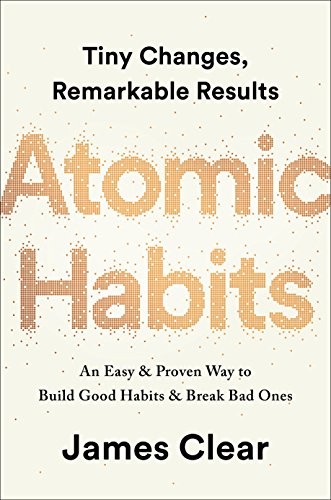
If Atomic Habits rewired your brain, these books will keep the momentum going. Jim's picks for the best reads on habits, productivity, and becoming a better human (or worm).
Jim's Picks
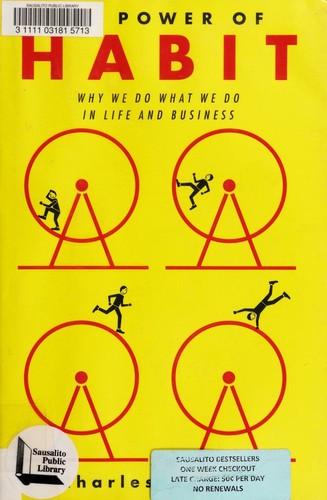
The Power of Habit
by Charles Duhigg
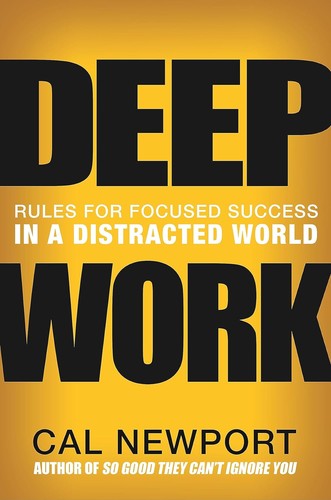
Deep Work
by Cal Newport
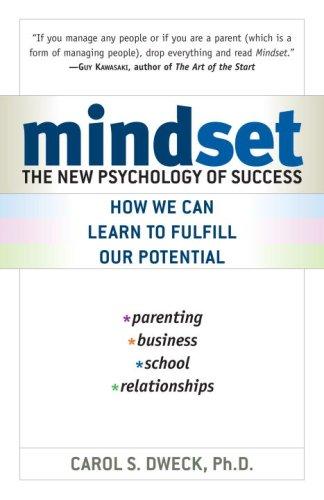
Mindset
by Carol S. Dweck
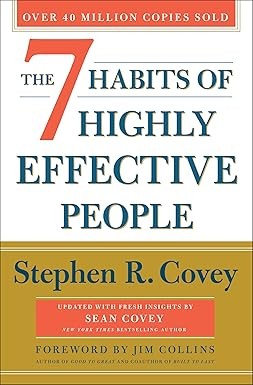
The 7 Habits of Highly Effective People
by Stephen R. Covey
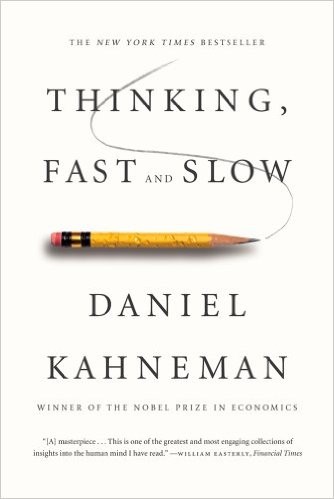
Thinking, Fast and Slow
by Daniel Kahneman
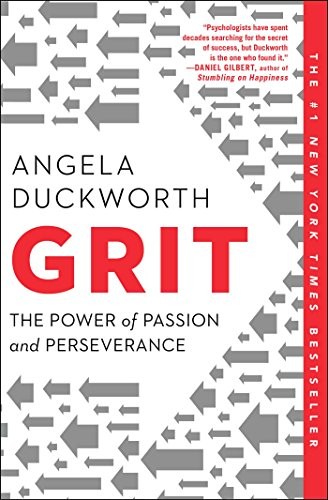
Grit
by Angela Duckworth
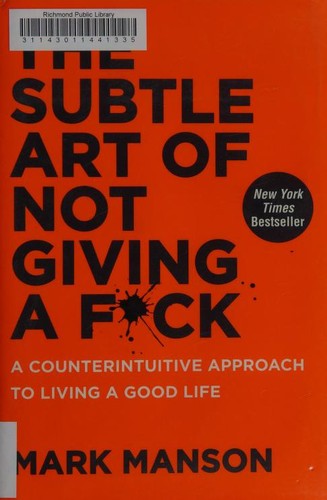
The Subtle Art of Not Giving a F*ck
by Mark Manson
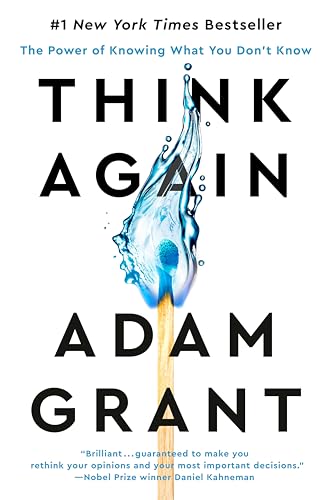
Think Again
by Adam Grant
Why Each Pick
- The Power of Habit by Charles Duhigg
- The most direct companion. Clear's four-step loop builds on the cue, routine and reward loop that Duhigg popularized here, but Duhigg writes as a journalist, explaining habits through stories about Alcoa, an NFL coach and the Montgomery bus boycott. It offers fewer step-by-step tactics and more on how habits operate inside companies and communities.
- Deep Work by Cal Newport
- Shares Atomic Habits' belief that environment and routine beat willpower, but focuses on protecting attention from interruptions. Newport, a computer science professor, makes a pointed case against constant connectivity before laying out four rules. It is more opinionated and work-focused, and less concerned with everyday behavior change.
- Mindset by Carol S. Dweck
- Where Atomic Habits argues that lasting change starts with identity, Dweck examines the belief underneath it: whether ability is fixed or something that grows with effort. She draws on her research into praise, learning and failure in schools, sports and business. It is lighter on systems and heavier on how people interpret setbacks.
- The 7 Habits of Highly Effective People by Stephen R. Covey
- The older, broader ancestor of the genre. Covey uses "habit" to mean principles of character rather than small repeatable actions, moving from self-mastery to working with others. Expect a slower, more reflective read at 464 pages, built around values and long-term priorities rather than the cue-and-reward mechanics Clear focuses on.
- Thinking, Fast and Slow by Daniel Kahneman
- The science behind why Atomic Habits' advice about defaults and environment makes sense. Kahneman's System 1 and System 2 describe how much of behavior runs on fast, automatic judgment. It is far denser, at 499 pages, and it catalogues the mind's biases rather than prescribing routines, so it reads like a psychology course rather than a playbook.
- Grit by Angela Duckworth
- Shares Clear's conviction that consistent effort compounds, and Duckworth even puts it in a formula: effort counts twice, once in building skill and again in turning skill into achievement. Her focus is long-term passion and perseverance rather than the design of small daily habits.
- The Subtle Art of Not Giving a F*ck by Mark Manson
- A tonal opposite with a related message. Like Clear, Manson cares about identity and the values that drive behavior, but he skips systems entirely and argues for choosing your struggles carefully instead of chasing constant positivity. It is shorter, blunter and deliberately contrarian, which suits readers who found Atomic Habits a little too tidy.
- Think Again by Adam Grant
- Atomic Habits is about changing what you do; Grant is about changing what you believe. He argues for thinking like a scientist, treating opinions as hypotheses rather than identities to defend, which echoes Clear's point that self-image shapes behavior. It is more concerned with arguments, teams and decisions than with personal routines.
What to Read After Atomic Habits
Start with the part of Atomic Habits that stuck. If it was the mechanics, the habit loop and the idea of making good behavior obvious and easy, The Power of Habit covers similar ground through longer case studies and more history. If it was the goal of getting meaningful work done, Deep Work applies the same systems thinking to attention specifically. If identity-based habits were the big idea, Mindset and Think Again both examine how beliefs about yourself shape what you do, one through ability and one through opinions.
If the research appealed more than the advice, Thinking, Fast and Slow is the deep end: a Nobel-winning psychologist's account of the mental shortcuts that habits rely on. Readers more interested in persistence than in routines should look at Grit. Those who want principles over tactics may prefer The 7 Habits, which is less about small wins and more about deciding what matters in the first place. And if Clear's tone felt too upbeat, The Subtle Art offers a blunt counterweight built around values rather than systems.
Practical Playbooks vs Big-Idea Books
These eight books sit on a spectrum. At the practical end is The 7 Habits, organized around habits with concrete exercises, much like Atomic Habits' four laws. In the middle are Deep Work, The Power of Habit and Grit, which explain a concept through research and stories and leave readers to translate it into practice. At the big-idea end are Thinking, Fast and Slow, Mindset and Think Again, which are mainly about how minds work rather than what to do on Monday morning.
Length and density vary more than the subject matter suggests. The Subtle Art is the shortest at 224 pages and moves quickly in a conversational voice. Deep Work, Mindset and Think Again sit between 304 and 320 pages, close to Atomic Habits itself. The 7 Habits and Thinking, Fast and Slow are the long ones, at 464 and 499 pages, and both lend themselves to a chapter at a time. None of these books can promise a particular result; they offer frameworks and arguments to weigh against your own circumstances.