Books Like Dune
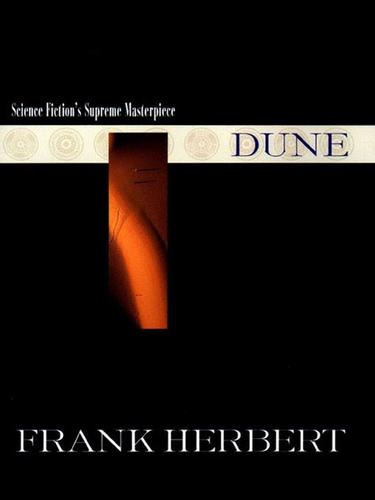
Dune left you stranded in the desert wanting more? Jim knows the feeling. These epic sci-fi novels have the same grand scope, political intrigue, and world-building that makes Dune a masterpiece.
Jim's Picks
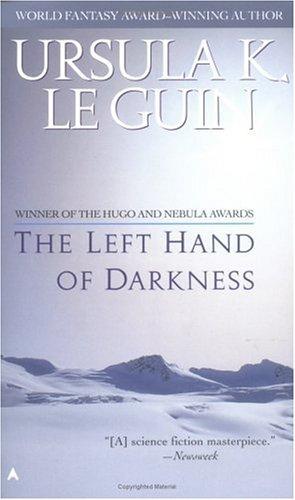
The Left Hand of Darkness
by Ursula K. Le Guin
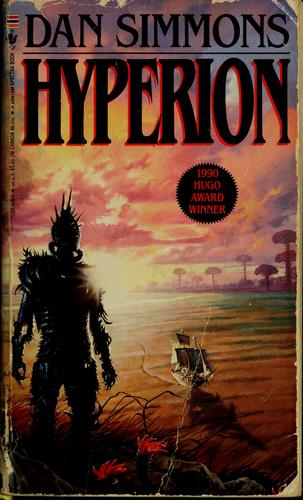
Hyperion
by Dan Simmons
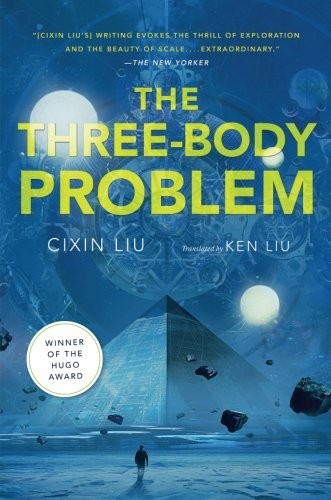
The Three-Body Problem
by Cixin Liu
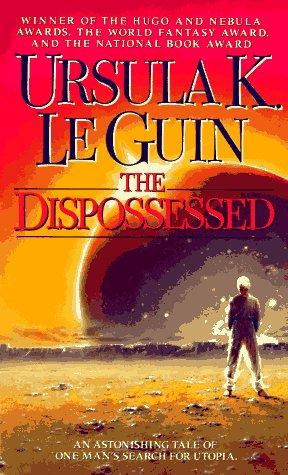
The Dispossessed
by Ursula K. Le Guin
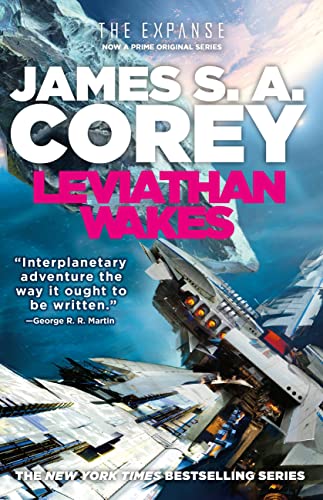
Leviathan Wakes
by James S.A. Corey
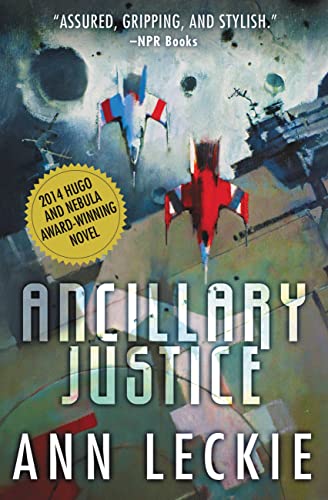
Ancillary Justice
by Ann Leckie
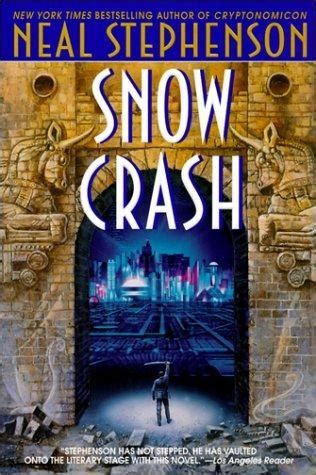
Snow Crash
by Neal Stephenson
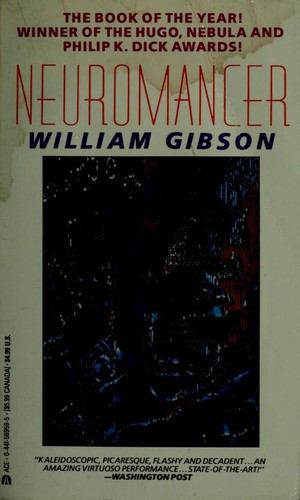
Neuromancer
by William Gibson
Why Each Pick
- The Left Hand of Darkness by Ursula K. Le Guin
- Like Dune, it is built around a planet whose climate shapes everything: Gethen is locked in ice the way Arrakis is gripped by sand. An outsider must navigate rival nations and court intrigue, but Le Guin is quieter and more intimate, centering on gender, trust and one long journey across a glacier. Much shorter, at 304 pages.
- Hyperion by Dan Simmons
- Shares Dune's galactic scale, its interest in religion and mysticism, and the sense that vast powers are moving behind the human characters. The structure is completely different: six of its seven pilgrims tell their own stories, in styles ranging from war story to horror. It is moodier and more literary, and the story continues directly in The Fall of Hyperion.
- The Three-Body Problem by Cixin Liu
- For readers drawn to Dune's long view of civilizations, it thinks in centuries and in the strategy of entire species. The opening, set during China's Cultural Revolution, gives it a sharp political edge. Where Herbert focuses on people and power, Liu leans into hard physics and big ideas, with characters taking a back seat.
- The Dispossessed by Ursula K. Le Guin
- The closest match to Dune's blend of politics and ecology. Anarres is a dry, barely habitable moon where scarcity shapes an entire society, much as water does for the Fremen. Le Guin sets an anarchist world against a wealthy capitalist planet and asks what freedom costs. There are no battles or prophecies; the drama is philosophical, told in alternating timelines.
- Leviathan Wakes by James S.A. Corey
- Dune's factional politics moved to a near-future solar system: Earth, Mars and the Belt jostle for power, and water and air are as precious to Belters as water is on Arrakis. It moves far faster, opening as a detective story and a ship-crew thriller with two alternating narrators. Grittier and more grounded, it launches a nine-novel series.
- Ancillary Justice by Ann Leckie
- Another story about an empire and the people it uses up. The Radch, ruled by a leader who exists in many bodies at once, carries the same sense of entrenched power as Dune's imperial order. The scale is narrower: one former starship AI on a personal mission. Breq's language does not mark gender, which takes a few chapters to settle into.
- Snow Crash by Neal Stephenson
- Dune explores how religion can be engineered to steer a population; Snow Crash runs with a related idea, tying language, ancient myth and a virus together in a near-future America run by corporations. The tone is the opposite of Herbert's: fast, satirical and funny, with a hero named Hiro Protagonist. For readers who liked Dune's ideas more than its gravity.
- Neuromancer by William Gibson
- The loosest link here, for readers who want another genre-defining classic. Like Dune, it has a dynastic family and powerful corporations scheming in the background while hired operatives serve as pieces in a larger game. Gibson's prose is dense and slangy, the setting is street-level cyberspace rather than a desert empire, and it is far shorter at 271 pages.
What to Read After Dune
Start with what you loved most. For the politics, the great houses, the emperor and the Bene Gesserit playing a long game, Leviathan Wakes and Ancillary Justice are the best fits, each built around competing powers and an entrenched imperial or planetary order. For the ecology, The Dispossessed and The Left Hand of Darkness show how environment shapes culture with the same care Herbert gave Arrakis, and both are among the most thoughtful novels the genre has produced.
For the scale, with millennia of history and the fate of humanity in play, Hyperion and The Three-Body Problem deliver the strongest sense of vast forces at work. For the religion and mythmaking, Hyperion again, or Snow Crash, which treats belief and language as something that can be weaponized, though in a much lighter register. Neuromancer is the outlier: pick it to explore a landmark of the genre rather than for a close match to Dune's feel, since its gritty, wired near future has little in common with Arrakis.
Series to Commit To
Dune is the first of six novels Herbert wrote in the series, and several picks here also open long commitments. Leviathan Wakes is the biggest: the first of nine Expanse novels, plus shorter fiction. The Three-Body Problem begins a trilogy whose later books widen the scale considerably. Hyperion stops mid-story and continues in The Fall of Hyperion, with two further Endymion novels set later in the same universe. Ancillary Justice opens the Imperial Radch trilogy, and Neuromancer begins Gibson's Sprawl trilogy.
For readers who want a satisfying single volume, The Left Hand of Darkness and The Dispossessed both belong to Le Guin's loosely connected Hainish Cycle, but each stands entirely on its own with no prior reading needed. Snow Crash is a standalone too. These are good choices for anyone who finished Dune unsure about tackling its sequels, or who would rather sample several authors before committing to a long series. At 304 and 387 pages, the two Le Guin novels are also far shorter than Dune's 688.