Books Like Project Hail Mary
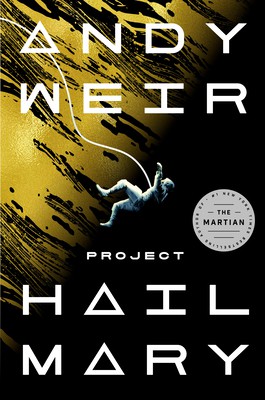
Project Hail Mary had you cheering for Ryland Grace and Rocky? Jim's found the sci-fi novels with that same blend of humor, science problem-solving, and heartfelt friendship across impossible odds.
Jim's Picks
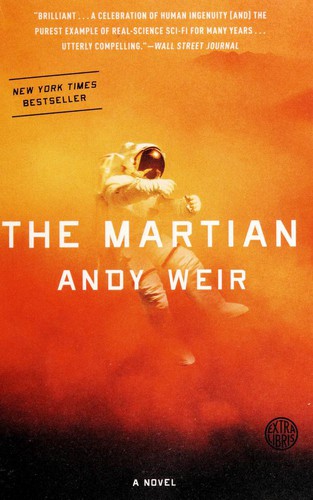
The Martian
by Andy Weir
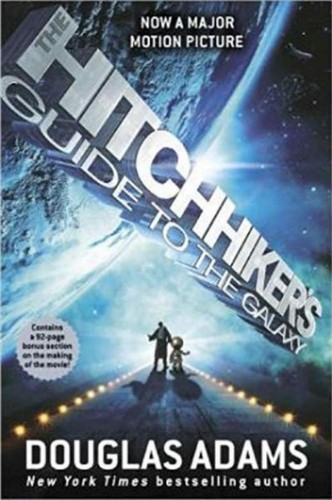
The Hitchhiker's Guide to the Galaxy
by Douglas Adams
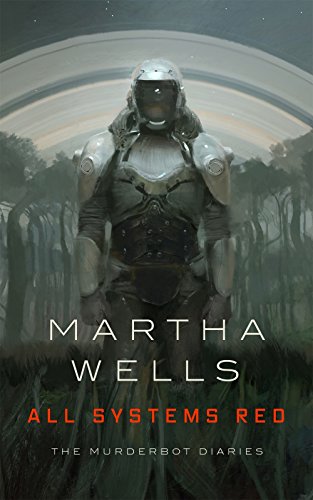
All Systems Red
by Martha Wells

Station Eleven
by Emily St. John Mandel

Klara and the Sun
by Kazuo Ishiguro
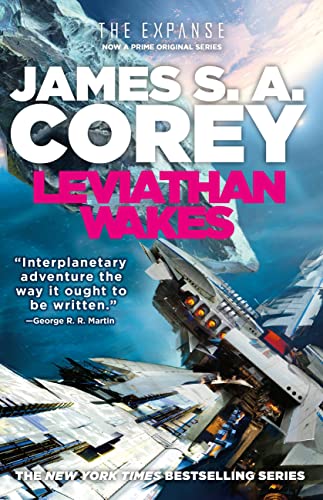
Leviathan Wakes
by James S.A. Corey
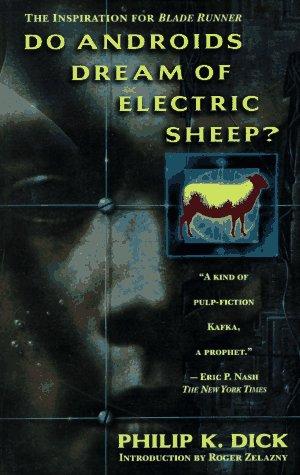
Do Androids Dream of Electric Sheep?
by Philip K. Dick
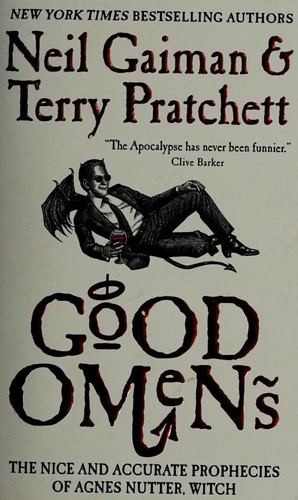
Good Omens
by Terry Pratchett & Neil Gaiman
Why Each Pick
- The Martian by Andy Weir
- The obvious next step: the same author, the same science-as-survival structure and the same wisecracking narrator solving one lethal problem after another. Watney tells his story through mission log entries, and he is alone on Mars with no alien companion, so the emotional weight rests on his stubbornness and humor. Expect noticeably more swearing than in Project Hail Mary.
- The Hitchhiker's Guide to the Galaxy by Douglas Adams
- Shares the comedy of an ordinary man flung into space just as Earth faces destruction, and the pleasure of meeting thoroughly alien beings. That is where the resemblance ends: Adams has no interest in real science, and the humor is absurd and satirical rather than nerdy. A very British palate cleanser at 224 pages.
- All Systems Red by Martha Wells
- Murderbot and Ryland Grace share a voice: sardonic, self-deprecating and quietly decent, narrating while they work out how to keep others alive. As with Grace and Rocky, the heart of the story is an unlikely bond between very different kinds of mind. It is a 156-page novella with lighter science, and it opens a longer series.
- Station Eleven by Emily St. John Mandel
- Shares Project Hail Mary's backdrop of global catastrophe and its belief that people remain capable of kindness when everything is at stake. Otherwise it is a very different book: literary, nonlinear and elegiac, following a cast of characters before and after a pandemic. With no problem-solving or hard science, it suits readers who came for Weir's emotional side.
- Klara and the Sun by Kazuo Ishiguro
- Shares Project Hail Mary's fascination with how a nonhuman mind makes sense of the world. Klara, an artificial companion, narrates with a careful, literal logic that recalls Grace and Rocky decoding each other's language. Ishiguro's novel is slow, quiet and melancholy, with almost no science or action, and it suits readers who valued the friendship more than the physics.
- Leviathan Wakes by James S.A. Corey
- For readers who enjoyed Weir's attention to how spaceflight actually works. Ships here obey real constraints of thrust, acceleration and distance, and a mismatched crew has to improvise to stay alive. It is far darker and more political, with a strong streak of horror and two alternating narrators, and at 592 pages it is the longest pick.
- Do Androids Dream of Electric Sheep? by Philip K. Dick
- Shares the question underneath Grace and Rocky's friendship: what makes another being a person worth caring about? Dick approaches it from the opposite direction, through a bounty hunter who tests suspected androids for empathy. It is bleak, strange and philosophical rather than warm, and shorter at 240 pages. It was the basis for the film Blade Runner.
- Good Omens by Terry Pratchett & Neil Gaiman
- Project Hail Mary's odd couple has a counterpart here: an angel and a demon from opposing sides who have become friends and team up to stop the end of the world. The humor is British and whimsical, and the apocalypse is theological rather than scientific. Pick it for the friendship and the jokes, not the problem-solving.
What to Read After Project Hail Mary
If the engineering was the thrill, with its experiments, calculations and one-problem-at-a-time momentum, The Martian is the clear first choice, and Leviathan Wakes is a larger-scale follow-up that keeps spaceflight grounded in real physics. If it was Grace's voice, with jokes landing in moments of real danger, All Systems Red and The Hitchhiker's Guide to the Galaxy both deliver the same dry wit at much shorter lengths, one through a reluctant robot narrator and the other through pure absurdity.
If the friendship with Rocky was what stayed with you, look to Good Omens for another bond across opposing sides, and to Klara and the Sun or All Systems Red for stories told from inside a nonhuman mind. If the bigger questions mattered more, such as what makes someone a person and how humanity behaves when everything is at stake, Do Androids Dream of Electric Sheep? and Station Eleven explore them in a more serious register, trading Weir's optimism for something more melancholy and reflective.
How Much Science Do You Want?
Project Hail Mary sits near the hard end of science fiction: its plot depends on chemistry, physics and biology that are explained rather than hand-waved. The Martian is at the same level or harder, since nearly every chapter turns on a technical fix. Leviathan Wakes is rigorous about spaceflight, though it adds more speculative elements as it goes. These three suit readers who enjoy following the reasoning step by step alongside the narrator.
Everything else on the list is soft science fiction or fantasy. All Systems Red uses technology as a backdrop for character and humor, while Klara and the Sun and Do Androids Dream of Electric Sheep? use artificial minds to ask philosophical questions without explaining how they work. Station Eleven is literary fiction with a pandemic at its center, and The Hitchhiker's Guide to the Galaxy and Good Omens happily ignore plausibility altogether. None of them is lesser for it; they simply offer Weir's humor and heart without the homework.