Books Like James
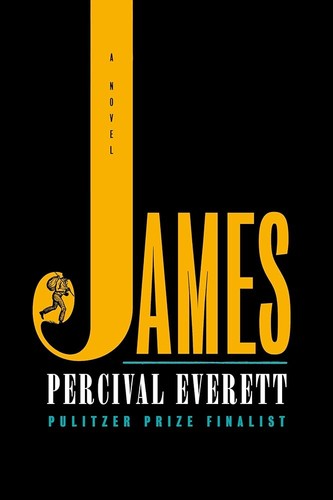
Looking for what to read after Percival Everett's James? These picks share its retold classics, its voices that history pushed to the margins, and its clear-eyed writing about race in America.
Jim's Picks

Beloved
by Toni Morrison

Invisible Man
by Ralph Ellison

Their Eyes Were Watching God
by Zora Neale Hurston

Demon Copperhead
by Barbara Kingsolver

Circe
by Madeline Miller

Things Fall Apart
by Chinua Achebe

To Kill a Mockingbird
by Harper Lee

The Warmth of Other Suns
by Isabel Wilkerson
Why Each Pick
- Beloved by Toni Morrison
- For slavery written from the inside. Sethe, who escaped slavery, lives in Ohio after the Civil War with a daughter and the ghost of the child she lost. Like James, it gives the people slavery tried to erase their full inner lives. Morrison's novel is a ghost story, dreamlike and slower, with none of Everett's humor. Content note: graphic violence, including sexual violence, and the death of a child.
- Invisible Man by Ralph Ellison
- For a narrator who learns that white America sees only the role it expects of him. Ellison's unnamed narrator moves from the South to Harlem, trying on identities and discovering he is invisible to almost everyone. It shares James's interest in masks and in what a Black man must perform to survive. It is longer, at 581 pages, set in the twentieth century, and more surreal.
- Their Eyes Were Watching God by Zora Neale Hurston
- For a novel where language and voice are the whole point. Janie Crawford tells a friend the story of her three marriages and her search for independence in early twentieth-century Florida. Hurston writes her characters' speech in rich Southern dialect, a fascinating contrast with James, where dialect is a performance Jim puts on for white listeners. It is a love story, far gentler, at 219 pages.
- Demon Copperhead by Barbara Kingsolver
- For another prize-winning retelling of a classic. Kingsolver moves David Copperfield to modern Appalachia, where a boy born in a trailer passes through foster care and the opioid crisis. Like James, it hands an old story to a sharp, funny narrator the original never fully saw. It is about poverty and addiction rather than slavery, and longer at 548 pages. Content note: drug addiction and child abuse.
- Circe by Madeline Miller
- For a famous story retold by the character it sidelined. Circe, the witch Odysseus meets in Homer, tells her own life, from her childhood among the gods to her exile on an island. Like James, it reclaims a figure the original treated as a supporting part. It is Greek myth rather than American history, lyrical and calmer, and its anger is about gods and men.
- Things Fall Apart by Chinua Achebe
- For a classic that answered how European writers portrayed Africans. In pre-colonial Nigeria, Okonkwo's Igbo village is changed forever by missionaries and colonial rule. Like James, it tells a familiar history from the side of the people it happened to, and it was written partly as a reply to other books. It is short, at 209 pages, plain and tragic rather than satirical.
- To Kill a Mockingbird by Harper Lee
- For the classic that James is in conversation with, whether it means to be or not. Scout Finch tells how her father defended a Black man falsely accused in a Depression-era Alabama town. It covers race and injustice through the eyes of a white child, the kind of view James sets out to overturn. Reading the two side by side shows what changes when the story belongs to someone else.
- The Warmth of Other Suns by Isabel Wilkerson
- For the history behind the fiction. Wilkerson's narrative nonfiction follows three people among the six million Black Americans who left the Jim Crow South for northern and western cities. It begins decades after James's river journey, but it shows what slavery and its aftermath left behind. It is long, at 640 pages, and reads like a novel.
What to Read After James
For another novel about slavery and its aftermath, start with Beloved. Invisible Man and Their Eyes Were Watching God are the classics of Black American voice that James draws on, one about masks and invisibility and one about a woman telling her own story.
If the retelling itself was the draw, Demon Copperhead and Circe both give an old story to a character the original overlooked, and Things Fall Apart is the classic answer to colonial literature. To Kill a Mockingbird makes a revealing pairing, and The Warmth of Other Suns is the nonfiction pick. Twain's Adventures of Huckleberry Finn is the other obvious companion, though it isn't in Jim's library yet.
Tone and Content
James is funny and furious, with unflinching violence. Beloved is the most harrowing book here, and Invisible Man and To Kill a Mockingbird include racial slurs and violence. Their Eyes Were Watching God and Circe are the gentlest reads, and The Warmth of Other Suns is history rather than fiction.